
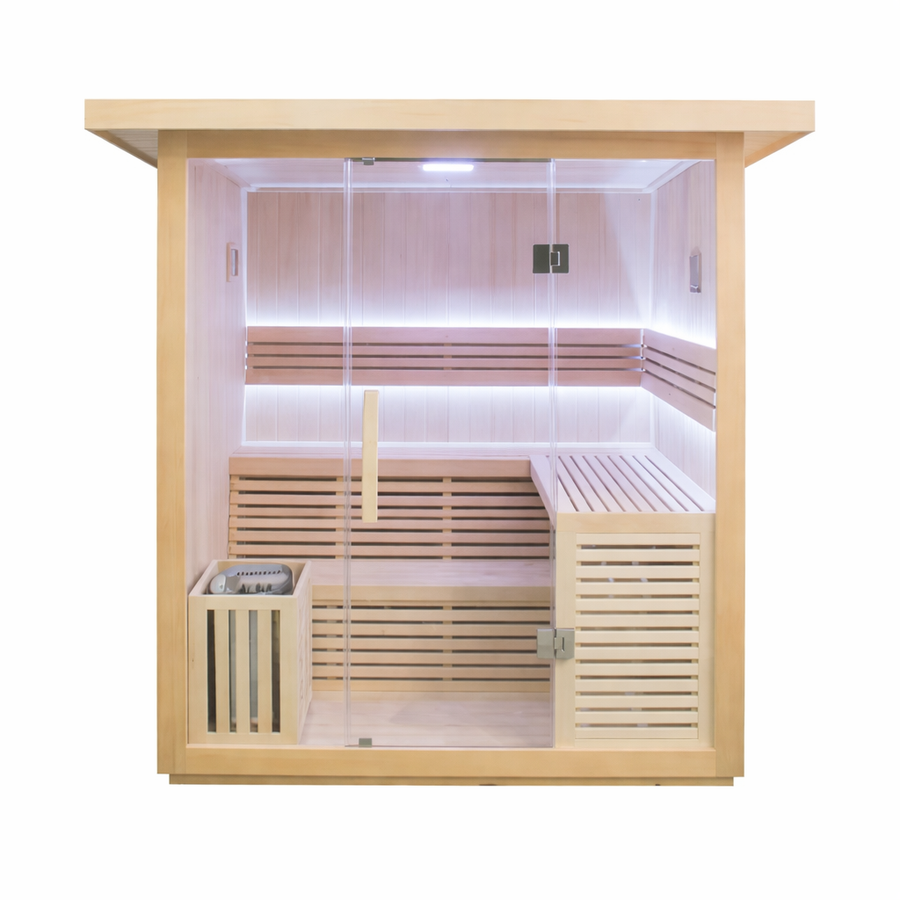


10 Benefits of Sauna Use for Recovery, Health and Home Wellness
A sauna is often seen as a luxury, but for many people it has become part of a regular recovery and wellbeing routine. Whether you train at home, go to the gym, play sport, or simply want a better way to relax, regular sauna use can support the body in several useful ways.
The main benefits of sauna use come from controlled heat exposure. As your body warms up, your heart rate rises, blood vessels widen, circulation increases and sweating begins. This creates a physical response that can support recovery, relaxation, cardiovascular health and general wellbeing when sauna bathing is used safely and consistently.
In this guide, we look at the 10 benefits of sauna use, including muscle recovery, circulation, sleep, stress relief, immune support, skin health and joint comfort. We will also explain how infrared saunas, traditional steam saunas and outdoor saunas compare, so you can choose the right option for your home, garden or fitness space.
Table of Contents
Health benefits of sauna use explained
How sauna heat affects the body
How often should you use a sauna?
Sauna benefits for heart health and circulation
Sauna benefits for muscle recovery and performance
Sauna benefits for stress, sleep and mental wellbeing
Sauna benefits for immunity and respiratory comfort
Sauna benefits for joints, stiffness and mobility
Sauna benefits for skin health and sweating
Frequently asked questions
Health benefits of sauna use explained
The health benefits of saunas are not based on guesswork alone. Sauna bathing has been studied for its links with cardiovascular health, blood pressure, circulation, recovery, stress reduction and long-term wellbeing.
Much of the best-known research comes from Finland, where sauna bathing is part of everyday life. Studies have found associations between frequent sauna use and lower risk of cardiovascular events, lower blood pressure and improved overall health markers. A useful overview of the research can be found in this guide to sauna health benefits.
For people building a home gym or recovery space, this matters. A sauna is not just something you use to relax after a workout. It can become part of a wider routine that supports recovery, sleep, circulation and consistency.
You can explore Gym Fitness Store’s full range of home and commercial saunas if you are comparing different sauna types for your space.
How sauna heat affects the body
When you sit in a sauna, your body responds quickly to the heat. Skin temperature rises, heart rate increases and blood vessels expand to help move heat through the body. This is known as vasodilation.
At the same time, sweating increases. Sweat helps the body regulate temperature, while the rise in blood flow supports oxygen and nutrient delivery to muscles and tissues. This is one reason sauna bathing is often used after training, especially by people who want to reduce stiffness and improve recovery.
Heat exposure can also trigger cellular responses, including the activation of heat shock proteins. These proteins help protect cells from stress and support normal repair processes. This is one of the reasons sauna use is often linked with recovery, resilience and healthy ageing.
In simple terms, a sauna gives your body a controlled heat challenge. When repeated safely over time, that challenge may help the body become better at handling stress, circulation changes and recovery demands.

How often should you use a sauna?
For most beginners, two to three sauna sessions per week is a sensible starting point. This gives your body time to adapt without making the routine feel too intense.
Research often shows stronger associations in people who use a sauna more frequently, especially around four or more sessions per week. However, the best sauna routine is the one you can maintain safely.
Session length also matters. Beginners should start with shorter sessions, usually around five to ten minutes in a traditional sauna. As heat tolerance improves, many people gradually build towards 15 to 20 minutes.
Infrared saunas normally run at lower surrounding temperatures, so sessions can often feel more comfortable and may last longer. Many infrared sauna users prefer sessions of around 20 to 45 minutes depending on the sauna, setting and personal tolerance.
Gym Fitness Store also has a full guide on how long you should stay in a sauna, which is useful if you are new to sauna bathing or unsure where to start.
Always drink water before and after using a sauna, cool down properly and stop immediately if you feel dizzy, faint, nauseous or unwell.
Infrared, steam and outdoor saunas: what is the difference?
The main benefits of sauna bathing come from heat exposure, but different sauna types create a different experience.
Infrared saunas use infrared panels to warm the body more directly. They usually operate at lower air temperatures than traditional saunas, which can make them feel gentler and easier to use for longer sessions. This makes infrared heat popular for recovery, relaxation and daily home use.
Traditional steam saunas use a sauna heater and hot stones to create high ambient heat. Water can be added to the stones to create steam, giving a more classic sauna experience with a strong sweat response.
Outdoor saunas are ideal if you want to create a dedicated garden wellness space. They can be especially useful for people who do not have room indoors but still want regular access to heat therapy at home.
There are also larger and more flexible options, including family-sized steam saunas, outdoor cabin saunas and recovery-focused models designed for home gyms, wellness rooms and private garden spaces.
1. Sauna use supports cardiovascular health
One of the most researched benefits of sauna use is its effect on the cardiovascular system.
During a sauna session, your heart rate increases and blood vessels widen. This improves blood flow and creates a response that is sometimes compared with light to moderate cardiovascular exercise.
This does not mean sauna use replaces exercise. It does not build strength, skill or fitness in the same way training does. But it can support the cardiovascular system as part of a healthy lifestyle, especially when combined with regular movement, good nutrition and proper recovery.
Research has linked frequent sauna bathing with lower risk of certain cardiovascular outcomes. The British Heart Foundation reports that cardiovascular disease causes around 26% of all UK deaths, which makes heart health an important part of any long-term wellness routine.
Potential heart-related sauna benefits include:
- Improved blood flow
- Increased heart rate during heat exposure
- Support for healthy blood vessel function
- Reduced arterial stiffness over time
- Possible blood pressure support with regular use
For anyone with heart disease, high blood pressure, low blood pressure or a medical condition, sauna use should be discussed with a healthcare professional first.
2. Sauna use may help improve circulation
Improved circulation is one of the most immediate effects of sauna bathing.
As the body heats up, blood vessels relax and widen. This allows blood to move more easily around the body, delivering oxygen and nutrients to muscles, joints and skin.
For people who train regularly, better circulation can be useful after exercise. It may help tired muscles feel looser and support the recovery process after strength training, cardio, sport or general physical activity.
This is one reason saunas are increasingly popular in home gyms and recovery spaces. After a workout, a sauna session can help you move from high effort into recovery mode.
3. Sauna use can support muscle recovery
Muscle recovery is one of the biggest reasons people choose to use a sauna.
After exercise, muscles need blood flow, nutrients, rest and hydration to repair properly. Sauna heat encourages circulation, which may help reduce tightness and support the recovery process.
Sauna bathing may help with:
- Post-workout stiffness
- Muscle tightness
- General soreness
- Relaxation after training
- Improved comfort after intense exercise
Some research has also explored sauna use and endurance performance. Repeated heat exposure may help the body adapt by improving plasma volume and heat tolerance. For runners, cyclists and endurance athletes, this could make sauna bathing a useful addition to a wider training and recovery plan.
Gym Fitness Store has also covered this topic in more detail in its guide on whether saunas help sore muscles and inflammation.
4. Sauna use helps reduce stress and tension
A sauna gives your body a clear signal to slow down.
The heat helps muscles relax, while the quiet environment creates a break from screens, work and daily pressure. This is one of the simplest but most valuable benefits of having a sauna at home.
Sauna sessions may also support the release of endorphins, which are the body’s natural feel-good chemicals. Many people describe feeling calmer, lighter and more relaxed after a session.
Stress-related sauna benefits may include:
- Reduced physical tension
- A calmer mood
- Lower feelings of pressure
- Better separation between work and rest
- A more consistent relaxation routine
For people who train hard, work long hours or struggle to switch off, a sauna can become a useful part of evening recovery.
5. Sauna use may improve sleep quality
Sauna bathing may support better sleep because it works with the body’s natural temperature rhythm.
During a sauna session, body temperature rises. Afterwards, as you cool down, body temperature begins to fall. This cooling effect can help signal to the body that it is time to rest.
Many people find that an evening sauna session helps them feel more relaxed before bed. It can also encourage a stronger wind-down routine, especially when paired with a shower, hydration and reduced screen time.
For best results, avoid using the sauna immediately before getting into bed. Give your body time to cool down properly first.
A good routine could look like this:
- Sauna session
- Cool-down period
- Shower
- Hydration
- Relaxed evening routine
- Sleep
This makes sauna use especially useful for people building a full home wellness setup rather than only focusing on training equipment.
6. Sauna use may support brain health and mental wellbeing
Sauna use may also have benefits for the brain, although this area of research is still developing.
Some studies have found links between frequent sauna bathing and lower risk of dementia and Alzheimer’s disease. These findings are likely connected to wider cardiovascular benefits, improved circulation, reduced inflammation and better blood flow to the brain.
Heat exposure may also influence chemicals involved in mood, alertness and focus. This may help explain why many people feel mentally clearer and more refreshed after using a sauna.
It is important to be careful with this claim. Sauna use should not be seen as a guaranteed way to prevent brain conditions. But as part of a healthy lifestyle that includes exercise, sleep, nutrition and stress management, regular sauna bathing may offer useful support.
7. Sauna use can support immune health
Sauna bathing is often linked with immune support because heat exposure increases circulation, raises body temperature and encourages sweating.
Some research suggests regular sauna users may experience fewer common colds and respiratory infections. This does not mean a sauna can cure illness, but it may support the body’s natural resilience when used as part of a healthy routine.
Possible immune-related benefits include:
- Improved circulation of immune cells
- Temporary warming of the body
- Reduced stress, which may support immune balance
- Better sleep, which is important for immune health
- Support for respiratory comfort from warm air
If you are currently unwell, feverish, dehydrated or feeling weak, it is better to avoid sauna use until you have recovered.

8. Sauna use may help with joint stiffness and mobility
Heat therapy is commonly used to ease stiffness and improve comfort. Sauna warmth can help relax muscles around the joints, increase blood flow and reduce the feeling of tightness.
This can be useful for people who experience general stiffness after training, long periods of sitting or physically demanding work.
Sauna use may help with:
- Joint stiffness
- Muscle tightness
- Reduced mobility after exercise
- General aches
- Lower back discomfort
People with arthritis, fibromyalgia or chronic pain conditions may find heat helpful, but regular sauna use should be discussed with a healthcare professional if there is an existing diagnosis.
The biggest benefit often comes from consistency. A single session may help you feel looser, but a steady routine is more likely to support longer-term comfort.
9. Sauna use supports skin health through sweating
Sauna heat increases sweating and blood flow to the skin. This can leave the skin feeling fresher and cleaner after a session.
Sweating may help lift surface impurities from the skin, while improved circulation supports oxygen and nutrient delivery. This is one reason many people notice a healthy glow after sauna bathing.
Potential skin-related sauna benefits include:
- Pore cleansing through sweating
- Improved blood flow to the skin
- A fresher post-session feeling
- Support for a healthy-looking complexion
- Relaxation, which may indirectly benefit stress-related skin concerns
Sauna use is not a replacement for skincare, but it can support a healthy routine. After a session, it is best to rinse off, drink water and moisturise if your skin feels dry.
| Skin benefit | How sauna may help | Best sauna type |
|---|---|---|
| Pore cleansing | Sweating helps remove surface build-up | Steam sauna or infrared sauna |
| Healthy glow | Heat increases blood flow to the skin | Infrared sauna or hybrid sauna |
| Post-workout freshness | Sweating followed by showering can leave skin feeling cleaner | All sauna types |
| Skin comfort | Warmth may support relaxation and circulation | All sauna types |
| Relaxed appearance | Better sleep and lower stress may support healthier-looking skin | All sauna types |
10. Sauna use creates a better recovery routine at home
One of the most practical benefits of owning a sauna is convenience.
When a sauna is part of your home, garden or gym space, it becomes easier to use consistently. You do not need to travel to a spa, leisure centre or health club. You can train, recover and relax in one place.
For people building a home gym, this is a major advantage. A sauna can turn a workout space into a complete recovery zone.
A balanced home recovery setup might include:
- Strength equipment
- Cardio equipment
- Stretching space
- Sauna
- Shower
- Hydration station
- Comfortable cool-down area
This helps support the full training cycle: movement, effort, recovery and rest.
Sauna sweating and detox: what should you know?
Sauna sweating is often described as detoxification, but it is important to be accurate.
Your liver and kidneys do most of the body’s detoxification work. A sauna does not replace those systems. However, sweating does help the body regulate temperature and may release small amounts of certain substances through the skin.
The more realistic benefit is that sweating can make you feel refreshed, lighter and reset. Combined with improved circulation and relaxation, this can make sauna bathing feel physically and mentally restorative.
Infrared saunas are popular for people who want a strong sweat response at lower air temperatures. Traditional steam saunas create a hotter, more humid environment that encourages intense sweating.
Both can be useful. The right choice depends on your comfort, space and goals.
10 key sauna benefits summarised
Here is a simple summary of the main sauna benefits:
- Supports cardiovascular health by increasing heart rate and circulation.
- Helps improve blood flow through heat-driven vasodilation.
- Supports post-workout muscle recovery.
- Helps reduce physical tension and stress.
- May support better sleep through the heat and cool-down cycle.
- May support brain health as part of a healthy lifestyle.
- Encourages sweating and a refreshed feeling.
- Supports skin health through circulation and pore cleansing.
- May help ease joint stiffness and general aches.
- Creates a convenient recovery space at home.

Frequently asked questions
What do 20 minutes in a sauna do for your body?
A 20-minute sauna session raises body temperature, increases heart rate, widens blood vessels and encourages sweating. This supports circulation, relaxation and the body’s natural cooling response.
For many people, 20 minutes is enough to feel calmer, looser and more refreshed. It may also support muscle recovery after training.
Beginners should start with shorter sessions. Five to ten minutes is a better starting point if you are new to sauna use.
Is sauna use good after a workout?
Yes, sauna use can be helpful after a workout when used safely. Heat encourages circulation, relaxes muscles and may reduce the feeling of stiffness after exercise.
It works best as part of a full recovery routine that includes water, food, rest, stretching and sleep.
Avoid using a sauna if you are dehydrated, dizzy, overheated or feeling unwell after training.
Can sauna use help with weight loss?
Sauna use can cause a temporary drop in body weight, but this is mostly water loss from sweating. It is not the same as fat loss.
A sauna can still support a healthy lifestyle by helping with stress, sleep, recovery and routine. These things can indirectly support long-term weight management, but sauna use should not be treated as a main weight-loss method.
Are infrared saunas better than steam saunas?
Neither is automatically better. They simply feel different.
Infrared saunas warm the body more directly at lower air temperatures. They can feel gentler and may suit people who want longer, more comfortable recovery sessions.
Steam saunas use hotter air and humidity for a more classic sauna experience. They usually create a stronger sweat response and a more intense heat feeling.
The best choice depends on your goals, space and heat tolerance.
How many times a week should you use a sauna?
Many people start with two to three sessions per week. More experienced sauna users may use a sauna more often, but frequency should depend on comfort, hydration and health.
The most important thing is consistency. A safe routine you can maintain is better than doing too much too soon.
Can sauna use help sore muscles?
Sauna use may help sore muscles by improving circulation and relaxing tight tissue. This can make muscles feel looser and more comfortable after exercise.
It should be used alongside proper recovery habits, including hydration, stretching, protein intake and sleep.
Is daily sauna use safe?
Daily sauna use may be safe for some healthy adults who are used to heat exposure, but it is not necessary for everyone.
Anyone who is pregnant, has heart problems, blood pressure issues, kidney problems or a medical condition should speak to a healthcare professional before regular sauna use.
Avoid alcohol before using a sauna, drink water before and after, and leave immediately if you feel dizzy, faint or unwell.
Final thoughts
Sauna use can support a wide range of health, recovery and wellbeing goals. From better circulation and post-workout recovery to stress relief, sleep support, muscle relaxation and skin health, the benefits are strongest when sauna bathing becomes a regular and safe part of your routine.
For fitness-focused homes, a sauna can be more than a place to relax. It can become part of a complete recovery setup, helping you train, reset and recover in one space.
Whether you prefer the gentle warmth of an infrared sauna, the classic heat of a traditional steam sauna, or the convenience of an outdoor garden sauna, Gym Fitness Store offers a range of options for home gyms, wellness spaces and recovery-focused households.
Explore the full range of saunas at Gym Fitness Store to find the right model for your space.
Find similar articles:
home sauna indoor sauna infrared sauna outdoor sauna Sauna Sauna Benefits saunas UK home saunaMentioned in this article
More stories

What Should You Wear in a Hot Tub? A Practical Guide for Comfort


Comments
Great reminder that consistency, hydration, and sensible session lengths make the biggest difference with sauna use those focusing on overall wellness may also find https://wegovypricecompare.com/discount-codes/ useful when exploring broader weight-management support options.