

TLDR
- Optimal sauna duration varies by sauna type: infrared (15-30 mins), steam (10-20 mins), and dry saunas (10-20 mins).
- Beginners should start with shorter sessions and gradually increase time, while experienced users can spend longer safely.
- Always listen to your body, stay hydrated, and avoid overstaying to prevent health risks such as dehydration or heat exhaustion.
How Long Should You Stay in a Sauna? Safe Session Times for Beginners and Regular Users
Saunas have become a popular part of modern home wellness routines, especially for people looking to relax, recover after training, and create a more restorative lifestyle at home. Whether you are new to heat therapy or already use a sauna regularly, one of the most common questions is simple: how long should you stay in a sauna?
The answer depends on a few key things, including the type of sauna you are using, how experienced you are, how hot the sauna is, and how your body responds on the day. Staying in too briefly may leave you feeling like you have not had the full benefit of the session, but staying in too long can leave you feeling overheated, lightheaded, or dehydrated.
In this guide, we will break down recommended sauna session times, explain how duration can vary between infrared and traditional models, and share simple sauna safety tips to help you enjoy your sessions more confidently. If you are currently exploring home options, you can browse the full sauna collection at Gym Fitness Store to compare styles for your space and routine.
Recommended Sauna Time by Sauna Type
Not all saunas feel the same, so it makes sense that session length can vary too.
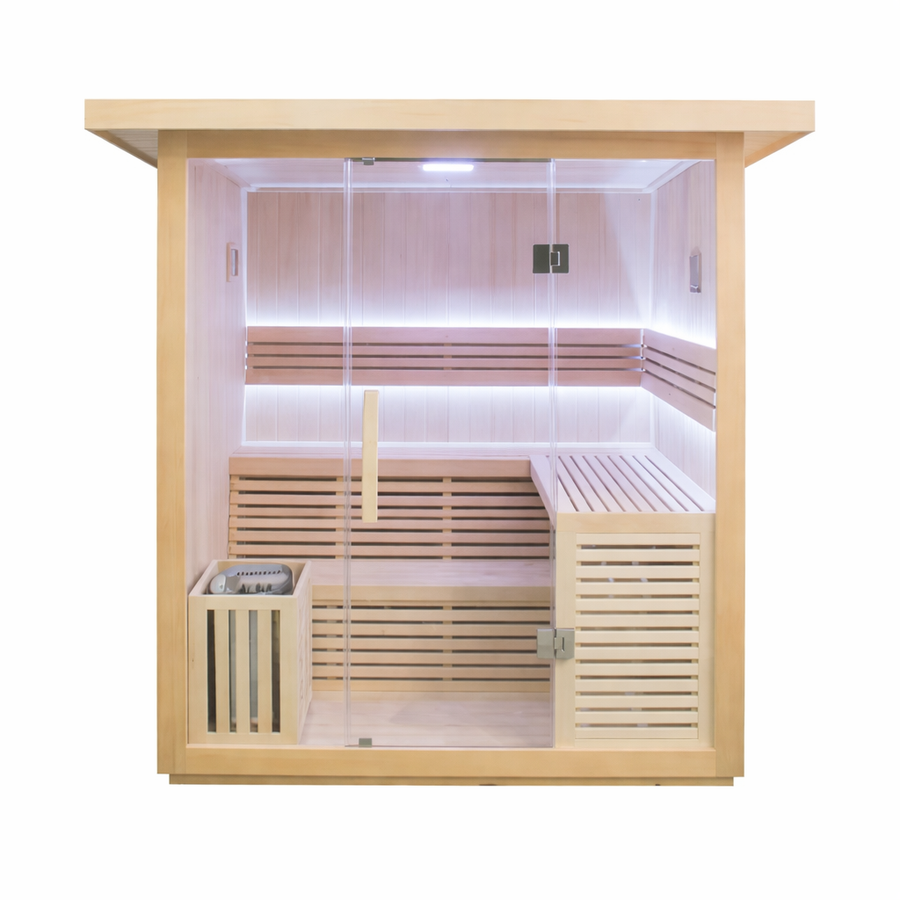
Traditional dry saunas
Traditional dry saunas usually run at higher temperatures with lower humidity. Because the heat is more intense, most people do best with shorter sessions. For many users, around 10 to 15 minutes is a sensible range, with experienced sauna users sometimes staying a little longer if they feel comfortable and well hydrated.
If you are using a traditional sauna for the first few times, there is no need to push for a long session. A shorter stay that feels manageable is usually the smarter starting point.
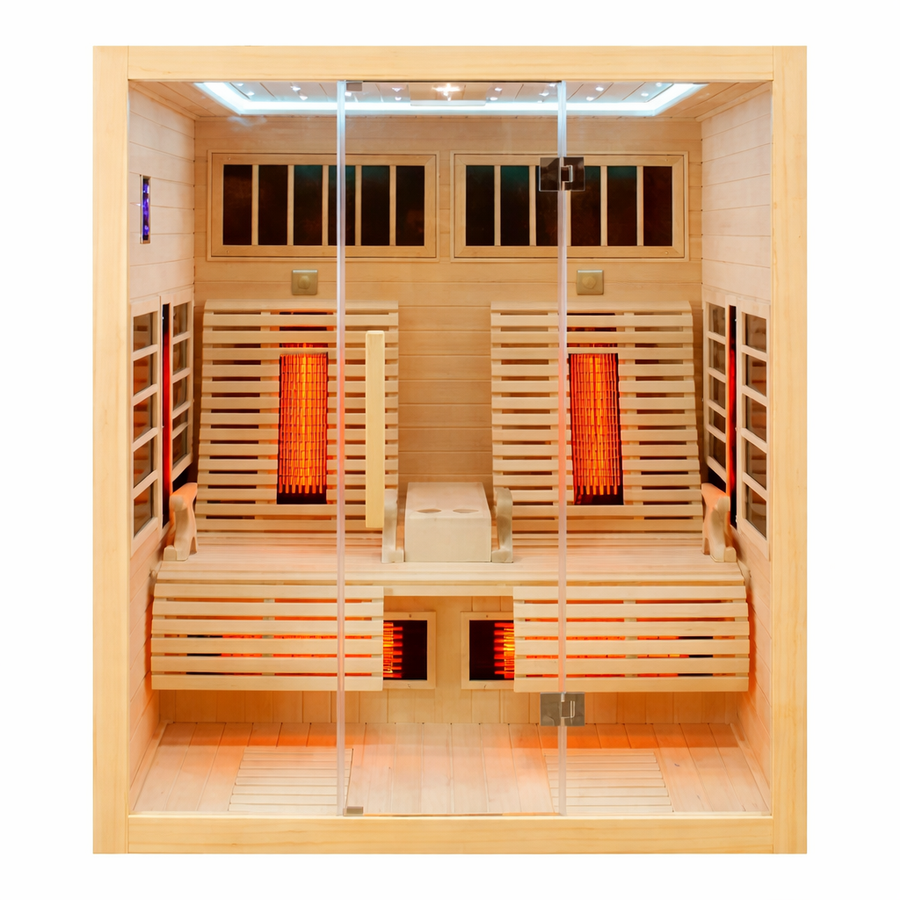
Infrared saunas
Infrared saunas generally operate at a lower air temperature, which means many people find them easier to tolerate for a little longer. Sessions of around 15 to 25 minutes are common, and some experienced users may stay closer to 30 minutes depending on temperature and comfort.
This is one reason infrared saunas are often popular for home wellness routines. They can feel less intense while still giving you that warm, restorative post-session feeling.
Steam saunas
Steam saunas or steam rooms can feel very different because the humidity is so high. Even if the temperature is lower than a dry sauna, the moist heat can still feel demanding. Shorter sessions are usually best here, often around 10 to 15 minutes.
How Long Should Beginners Stay in a Sauna?
If you are completely new to sauna use, start small.
A good starting point is around 5 to 10 minutes. That gives your body a chance to adjust without turning the session into an endurance challenge. You can then slowly build your time over future sessions as you get used to the heat.
A lot of people make the mistake of thinking longer automatically means better. In reality, sauna use works best when it feels controlled, comfortable, and repeatable. You are aiming for consistency, not to see how long you can last.
For beginners, this usually works well:
- First few sessions: 5 to 10 minutes
- After building tolerance: 10 to 15 minutes
- More experienced routine: adjust gradually based on sauna type and comfort
If you feel dizzy, weak, unusually tired, or uncomfortable, get out and cool down. That is not a failed session. That is simply your body telling you it has had enough.
How Long Can Regular Sauna Users Stay In?
If you use a sauna often and already know how your body responds, your sessions may be a little longer.
Many regular users stay in a traditional sauna for around 15 to 20 minutes. In an infrared sauna, some may stay in for 20 to 30 minutes. The key word is may. Tolerance differs from person to person, and day to day factors matter too. Poor sleep, dehydration, a tough workout, or simply running the sauna hotter than usual can all change what feels comfortable.
This is why the best sauna routine is not based on chasing the longest session. It is based on choosing a duration that leaves you feeling good afterwards rather than drained.
If you want to compare different sauna styles for home recovery, comfort, and wellness, take a look at the range available on the Gym Fitness Store website.
Factors That Affect Sauna Duration
There is no perfect session length that suits everyone every time. A few things can change how long you should stay in a sauna.
1. Temperature
The hotter the sauna, the shorter your session usually needs to be. High heat intensifies the experience quickly, especially in traditional dry saunas.
2. Hydration
If you are already dehydrated before getting in, you are much more likely to feel lightheaded or overheated. Drinking water before and after your session is one of the simplest ways to make sauna use feel better.
3. Experience level
People who use saunas regularly often become more comfortable with heat exposure over time. That does not mean you should force longer sessions. It just means your tolerance may improve gradually.
4. Health status
If you have cardiovascular concerns, blood pressure issues, are pregnant, or take medication that affects heat tolerance, it is best to speak with a healthcare professional before using a sauna regularly.
5. After-exercise fatigue
A sauna after training can feel excellent, but if you are already exhausted from an intense session, it may make more sense to keep the sauna short and gentle rather than long and demanding.
Signs You Have Stayed in Too Long
Knowing when to stop matters just as much as knowing where to start.
Leave the sauna straight away if you notice:
- Dizziness
- Nausea
- Headache
- Excessive fatigue
- Feeling faint
- Rapid discomfort or overheating
These are clear signs that your body has had enough. Cool down gradually, sit somewhere comfortable, and rehydrate.
For more general reading on session length and user comfort, the guidance shared by Sauna House and Thermory also reflects the same basic principle: build up gradually, pay attention to temperature, and listen to your body.
Simple Sauna Safety Tips
A better sauna routine is usually a safer and more enjoyable one. Keep these basics in mind:
- Start with shorter sessions if you are new
- Drink water before and after
- Avoid trying to “push through” discomfort
- Use a timer so you do not lose track of time
- Cool down gradually after your session
- Rest between rounds if you are doing more than one
- Adjust your session length based on heat, recovery, and how you feel that day
For most people, sauna use should feel relaxing and restorative, not punishing.
So, How Long Should You Stay in a Sauna?
For most beginners, around 5 to 10 minutes is the best place to start. From there, you can gradually work up to roughly 10 to 20 minutes in a traditional sauna, or a little longer in an infrared sauna if the lower heat feels comfortable.
The safest approach is to treat these as general guidelines, not hard targets. Your ideal sauna time depends on the heat level, the sauna style, and your own response. If you finish your session feeling relaxed, warm, and refreshed, you are probably in a good range.
Final Thoughts
Sauna use can be a brilliant addition to a home wellness routine, whether your goal is relaxation, post-workout recovery, or simply carving out more time to unwind. The best results tend to come from regular, sensible use rather than overly long sessions.
If you are thinking about upgrading your home setup, explore the Gym Fitness Store sauna collection for infrared, traditional, and wellness-focused options designed to help you recover smarter and relax better at home.
FAQs
Q1: How often should I use a sauna for health benefits?
A1: Most health experts recommend 2-3 sauna sessions per week, but daily use can be safe if sessions are limited in duration and you stay hydrated.
Q2: Can I stay longer in an infrared sauna compared to a traditional sauna?
A2: Yes, infrared saunas heat the body more gently and typically allow for longer sessions, often up to 30 minutes, whereas traditional saunas usually call for shorter times.
Q3: What are the signs I should leave the sauna immediately?
A3: Dizziness, headache, nausea, rapid heartbeat, or feeling faint are signs to exit immediately and hydrate to avoid complications.
Q4: Is it okay to eat before a sauna session?
A4: It’s best to avoid heavy meals right before sauna use to prevent discomfort; light snacks and hydration are preferable.
Q5: Should I drink water during my sauna session?
A5: Drinking water before and after is essential. While some people sip water during, it depends on your comfort and the sauna type; always listen to your body.
More stories

Morning vs. Evening: When Is the Best Time to Use a Sauna?

