

TLDR
- Using a sauna during a cold can provide relief through decongestion, improved circulation, and relaxation if done safely.
- Hydrate adequately, avoid sauna use if you have a fever, and limit your time to prevent risks.
- Follow sauna do’s and don’ts for cold recovery to support your immune system without worsening symptoms.
When a cold sets in, most people look for simple ways to ease the discomfort and feel like themselves again. Alongside rest, fluids and quiet time, the idea of using a sauna often comes up. The warmth feels comforting, breathing can seem easier for a short while, and the calming environment encourages proper relaxation. But while a sauna can feel helpful during a cold, it’s important to understand what it realistically offers and when it should be avoided.
A sauna is not a treatment for a cold, and it will not eliminate a virus. What it can do, when used carefully and at the right time, is support comfort, encourage relaxation and help you unwind while your body does the work of recovering.
How a Sauna May Support Comfort During a Cold
The warm air inside a sauna encourages blood vessels near the skin to widen, increasing circulation at the surface of the body. This process is part of how the body regulates temperature, and it often creates a temporary feeling of loosened muscles and physical ease. For someone dealing with aches, sinus pressure or general fatigue, this warmth can feel soothing.
In steam-based environments especially, warm moist air can make breathing feel less restricted for short periods. Many people experience temporary relief from congestion while inside the sauna. This effect does not cure the cause of the blockage, but it can make breathing feel more comfortable during the session itself.
Relaxation plays a role too. Being unwell often comes with poor sleep and elevated stress. The quiet heat of a sauna encourages the body to slow down, which some people find helpful for switching off mentally. Healthline’s general overview of sauna use explains how heat exposure influences circulation and relaxation without presenting it as a medical intervention:
https://www.healthline.com/health/how-to-use-a-sauna
It’s this combination of warmth, calm and gentle physical response that makes saunas feel supportive when symptoms are mild.
Timing Matters More Than Anything Else
Using a sauna too early into a cold can make you feel worse rather than better. If you currently have a fever, intense fatigue or widespread body aches, heat exposure may place extra strain on your system. In these cases, rest and hydration matter far more than heat.
Sauna use is more appropriate when the sharpest symptoms have settled and you are beginning to feel more stable. At this stage, short, moderate sessions may feel comfortable rather than overwhelming. The aim is not to push your body but to support it while it recovers naturally.
If you do choose to use a sauna, shorter sessions of around ten to fifteen minutes at a moderate temperature are generally more comfortable than long, intense exposure. Cooling down naturally and spacing sessions out helps prevent unnecessary stress on the body.
Staying Safe While Using a Sauna When Unwell
Hydration becomes especially important when you are unwell. A cold often already increases fluid loss through breathing and general metabolic activity. Adding heat and sweating on top of this without replacing fluids can leave you feeling light-headed or drained afterwards. Drinking water before and after your session helps reduce this risk.
Alcohol should be avoided entirely when using a sauna, particularly during illness. Heat already lowers blood pressure for some people, and alcohol can intensify that effect, making dizziness more likely.
If you feel faint, nauseous or uncomfortable at any point, it’s important to leave the sauna immediately and allow your body to cool gradually. Practical safety guidance for heat exposure, such as the guidance included in sauna-safety rule overviews, reinforces the importance of moderation and listening to your body’s signals:
https://wanderingcarol.com/how-to-spa/the-9-rules-of-sauna-safety/
Understanding What a Sauna Does Not Do
It’s important to be clear about the limits of sauna use during a cold. A sauna does not remove a virus from the body, shorten the natural course of an infection, or replace rest and fluids. Sweating does not “flush out” a cold. Recovery still depends on your immune system doing its job over time.
The comfort benefits people feel inside a sauna are real, but they are temporary. Congestion may ease while you are in the heat and return later once your body cools. The overall recovery period remains largely the same regardless of sauna use.
Thinking about sauna use as a comfort tool rather than a cure helps set realistic expectations and avoids overusing heat when the body needs quiet recovery.
Choosing the Right Sauna Environment at Home
For those who enjoy using a sauna at home, control over temperature, humidity and session timing makes a significant difference. A well-regulated traditional sauna allows you to keep heat at a comfortable level rather than exposing yourself to extreme temperatures during illness. You can explore suitable home options within the full sauna range at
https://gymfitnessstore.co.uk/collections/saunas
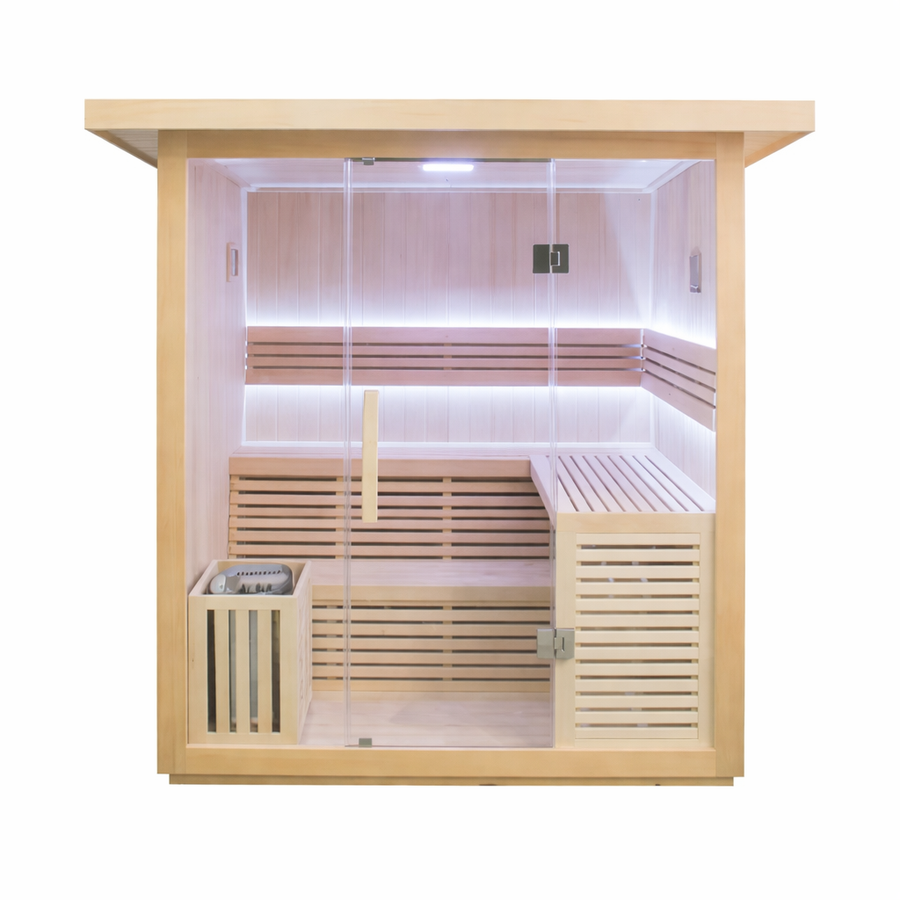
Traditional saunas are especially popular for structured sessions where temperature and timing can be carefully managed. If you’re considering this style, you can also browse specific models within the traditional sauna collection at
https://gymfitnessstore.co.uk/collections/traditional-saunas
Having the ability to tailor the environment allows you to use heat more gently when you’re feeling under the weather.
When to Avoid the Sauna Entirely
There are situations where sauna use is best avoided during a cold. A high fever is the clearest signal to stay away. Heat exposure during a fever can worsen dehydration and add strain to the cardiovascular system. Chest pain, shortness of breath or severe weakness are also signs that rest should take priority over any heat exposure.
Children, older adults and anyone with underlying medical conditions should take a particularly cautious approach. If there is ever uncertainty about whether sauna use is appropriate, personal medical advice should always take precedence.
Final Thoughts
A sauna can offer comfort, relaxation and temporary relief from congestion when a cold is mild and improving. It supports relaxation and gentle circulation but does not cure a virus or replace rest, hydration and time. Used at the right point in recovery, in short sessions and with proper hydration, a sauna can be a pleasant part of self-care while your body heals.
The most important thing is listening to how you feel. When used sensibly, a home sauna can remain a calming space even during small bouts of illness. When symptoms are more intense, stepping back and prioritising rest is always the safer choice.
Frequently Asked Questions (FAQs)
- Can I use a sauna if I have a cold? Yes, if you do not have a fever and your symptoms are mild. Saunas can help with congestion and relaxation but avoid if you have a high fever or feel very weak.
- How long should I stay in a sauna while sick? Limit sessions to 10-15 minutes to avoid overexertion or dehydration. Take breaks and hydrate.
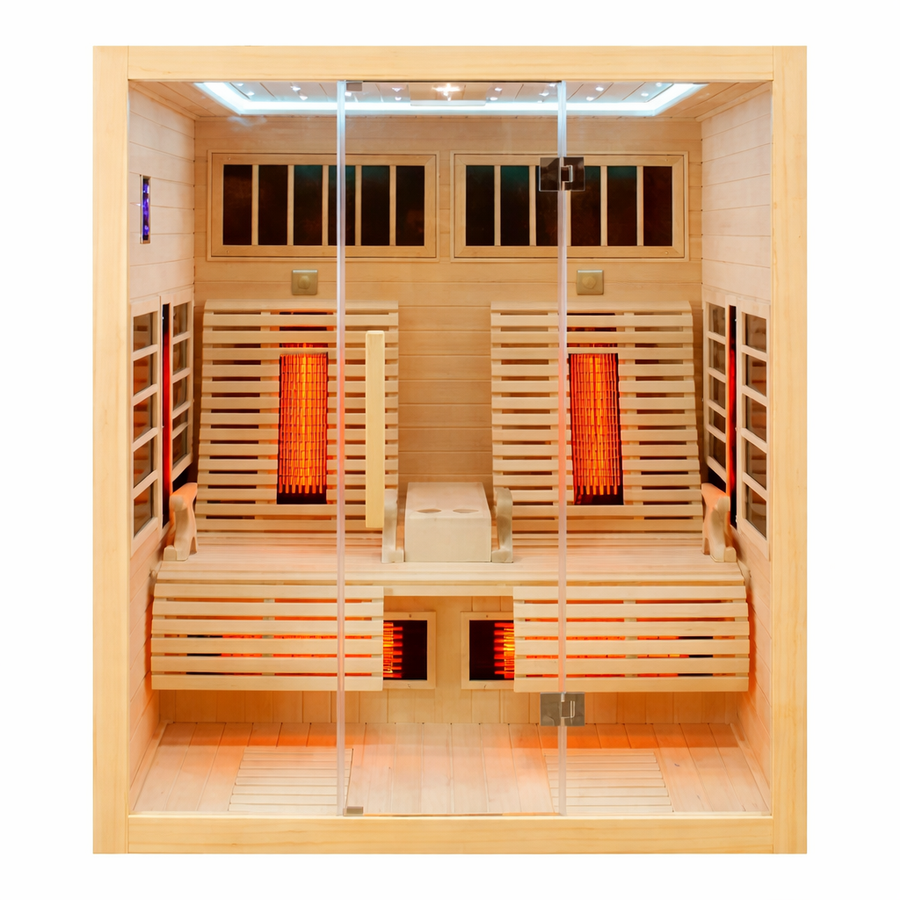
- Is it safe to use an infrared sauna during a cold? Generally, yes. Infrared saunas operate at lower temperatures and may be more comfortable when sick. Just follow the same precautions.
- What precautions should I take using a sauna when ill? Avoid sauna if you have a fever, stay hydrated, don't use alcohol or medications that affect your body's temperature regulation, and listen to your body for any adverse symptoms.
- Can sauna use help prevent colds? Regular sauna use has been associated with improved immune function and reduced respiratory infections, but it is not a guaranteed prevention method.
Next Steps
Ready to support your wellness journey with sauna therapy? Browse and shop our extensive collection of saunas and accessories at Gym Fitness Store. Whether you're seeking infrared or traditional options, find the perfect fit to aid your cold recovery and overall health.
More stories

Can You Bring Your Phone in a Sauna? What You Need to Know

