

TLDR
- Enhance your sauna sessions with top essential oils like eucalyptus, lavender, peppermint, and citrus for calming, energising, and immune-boosting effects.
- Learn safe and effective ways to use essential oils in both steam and dry saunas to maximise wellness and mood benefits.
- Discover detailed benefits of each oil and links to premium sauna products on Gym Fitness Store.
10 Best Essential Oils for Sauna Sessions
A sauna already gives you a calm, warming space to switch off, recover, and reset. Add the right essential oils, and the experience can feel even more relaxing and enjoyable. Whether you use a traditional sauna or an infrared model, sauna aromatherapy is a popular way to create a more personalised wellness routine at home. Retail and aromatherapy guides consistently highlight oils like eucalyptus, lavender, peppermint, citrus blends, and tea tree as popular choices for sauna use, while also stressing that oils should be used carefully and never poured undiluted onto hot surfaces.
If you are looking to create a more spa-like setting, choosing the best essential oils for sauna sessions comes down to the mood you want to create. Some scents feel fresh and clearing, some are softer and more calming, and others bring a brighter, more energising feel. Before getting started, it is worth browsing the full sauna collection at Gym Fitness Store and the main Gym Fitness Store homepage if you are planning a full home wellness setup.
1. Eucalyptus
Eucalyptus is one of the best-known sauna scents for a reason. It has a crisp, cooling, instantly recognisable aroma that makes the room feel fresh and clean. It is especially popular in traditional sauna routines because it creates that classic spa atmosphere many people want at home. Both of the reference guides you shared list eucalyptus among the top sauna favourites.
2. Lavender
Lavender is ideal if your goal is to make your sauna session feel calmer and more peaceful. Its soft floral scent works particularly well in evening routines or after a long day, when you want the heat and fragrance to help create a slower, more relaxing environment. Lavender is also one of the most commonly recommended oils in general aromatherapy use.
3. Peppermint
Peppermint brings a sharper, brighter scent that can make a sauna feel more invigorating. It is often chosen for morning sessions or post-workout wind-downs because the fragrance feels clean, cool, and refreshing against the heat. It is also one of the oils most often mentioned alongside eucalyptus in sauna aromatherapy articles.
4. Sweet Orange
Sweet orange is a good choice if you want something lighter and more cheerful. Citrus oils can make a sauna smell fresh and uplifting without feeling too heavy. Orange works well on its own or blended with softer notes like lavender for a more balanced scent profile. Citrus oils are regularly included in sauna oil roundups for their bright, energising character.
5. Lemon
Lemon has a crisp, clean scent that suits shorter sauna sessions and daytime use. It is a straightforward option for people who want a fresh aroma without the stronger menthol feel of peppermint or eucalyptus. As with other citrus oils, less is usually more in a heated space.
6. Grapefruit
Grapefruit gives you another citrus option, but with a slightly sharper and more vibrant scent than orange. It can help make the room feel lighter and more energised. If you want your home sauna to feel more like a modern spa than a traditional steam room, grapefruit is a strong option to try.
7. Tea Tree
Tea tree has a bold, distinctive scent that some sauna users love for its clean and powerful character. It is not as soft or universally liked as lavender or citrus, but it can work well in small amounts, especially when blended with eucalyptus or lemon. It is another oil commonly featured in sauna aromatherapy guides.
8. Chamomile
Chamomile is a gentler choice that suits slower, more restful sauna sessions. It has a softer scent profile than many of the more common sauna oils, which makes it useful if you prefer a more subtle aroma. It is often grouped with lavender when the aim is a more calming experience.
9. Frankincense
Frankincense brings a richer, deeper scent that can make your sauna feel more luxurious. It is often used when people want a more grounding, spa-style atmosphere rather than a sharp or cooling aroma. It also blends well with citrus and floral oils if you want something more layered.
10. Pine or Forest Blends
Pine-style or forest-inspired essential oil blends work well if you want a more natural, outdoor feel. These scents pair especially well with wooden sauna interiors and can help create a more traditional Nordic-style atmosphere at home.
How to Use Essential Oils in a Sauna Safely
This part matters. Essential oils should not be poured directly onto sauna stones or heaters unless the manufacturer specifically says it is safe. Several sauna and aromatherapy safety sources warn that undiluted oils can create irritating fumes, damage equipment, and introduce a fire risk. The safer approach is to dilute a small amount in water for a traditional sauna, or use a suitable diffuser or spray approach for infrared saunas if the manufacturer allows it.
A good rule is to start small. Strong scents can become overpowering quickly in a heated, enclosed space. If you have asthma, allergies, scent sensitivities, or any respiratory concerns, extra caution is sensible, and essential oil use may not be suitable for everyone.
Best Essential Oils for Traditional vs Infrared Saunas
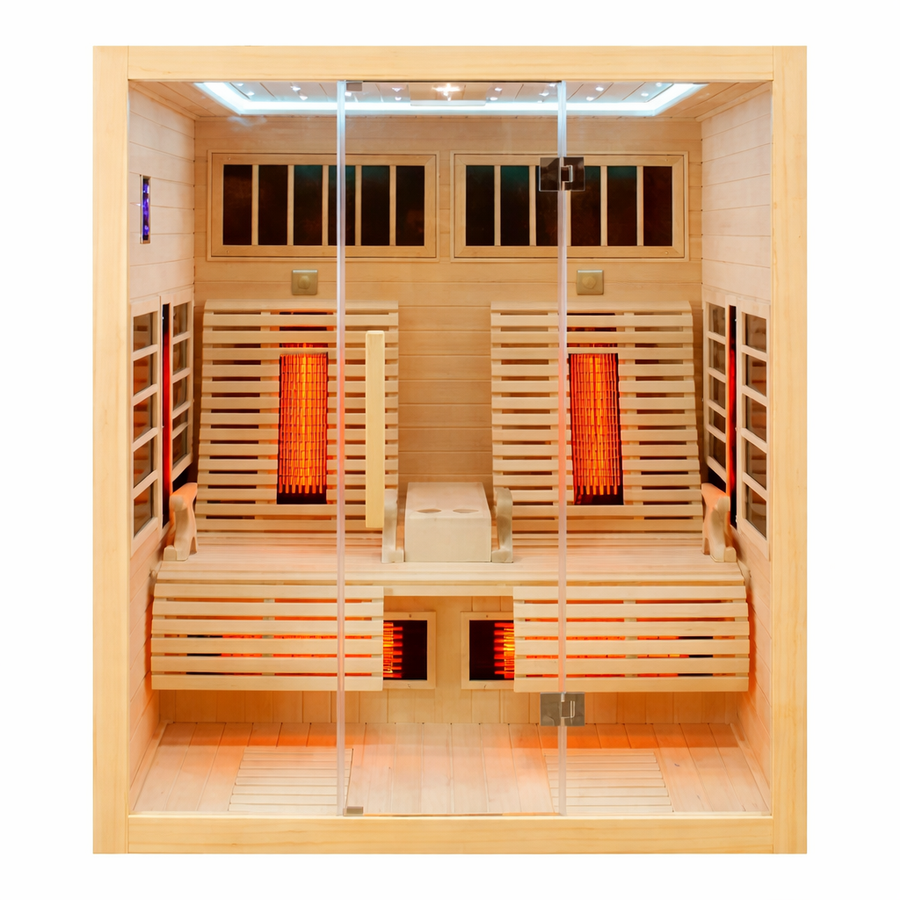
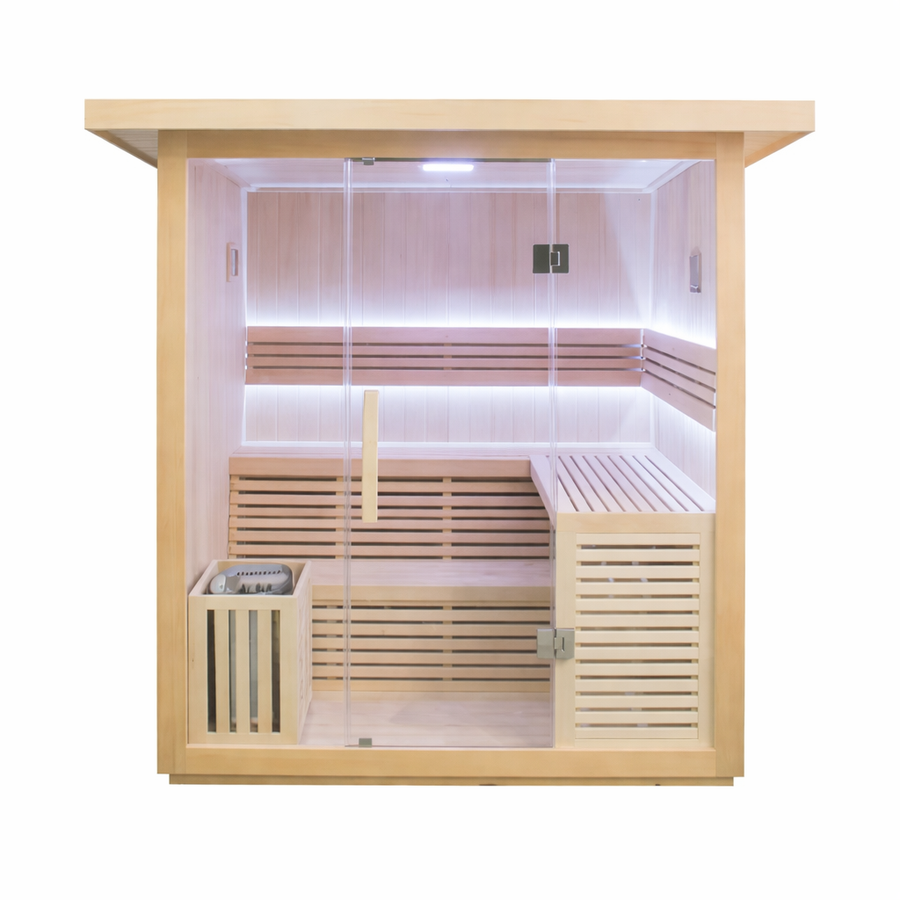
In a traditional sauna, oils are more often used by adding a diluted blend to water, then using that water carefully in line with the heater guidance. In an infrared sauna, articles and manufacturer advice more commonly suggest a diffuser, spray, or indirect fragrance method rather than applying oils to heated components.
That means the best essential oils for sauna use are not just about the scent itself. They also depend on the kind of sauna you own and the instructions for that model. If you are still comparing options, the Gym Fitness Store sauna range is a good place to start.
Creating a Better Sauna Routine at Home
The easiest way to build a sauna aromatherapy routine is to match the scent to the kind of session you want.
For a fresher feel, eucalyptus, peppermint, or lemon are popular choices. For a calmer session, lavender, chamomile, or frankincense work well. For a brighter and more uplifting mood, orange and grapefruit are simple but effective options. The strongest routines are usually the simplest. One scent on its own or a very light blend is often better than trying too much at once.
Final Thoughts
Using essential oils in a sauna can be a simple way to make your sessions feel more luxurious, more personal, and more enjoyable. The best essential oils for sauna use usually come down to preference, but eucalyptus, lavender, peppermint, citrus oils, tea tree, chamomile, and frankincense all remain popular choices across current sauna aromatherapy guides. The main thing is to keep it safe: use high-quality oils, dilute them properly, and follow your sauna manufacturer’s instructions before introducing any fragrance.
If you are building your own home wellness space, explore the Gym Fitness Store homepage and browse the sauna collection here. For extra reading, you can also see the guides from Soothing Company and Organic Aromas.
FAQs
Q1: Can I put essential oils directly on sauna stones?
A1: It’s generally not recommended to pour oils directly on sauna stones, especially concentrated ones, as they can cause irritation or damage. Instead, dilute oils in water and use a ladle or diffuser.
Q2: Which essential oils are best for mental relaxation in a sauna?
A2: Lavender, chamomile, and sandalwood are excellent for promoting calmness and reducing anxiety during sauna sessions.
Q3: How many drops of essential oil should I use in a sauna?
A3: Typically, 3-5 drops diluted in water for steam saunas or 2-3 drops mixed with carrier oil for dry saunas is sufficient for a pleasant aroma and benefits.
Q4: Are there any essential oils to avoid in saunas?
A4: Oils that are highly phototoxic like some citrus oils should be used carefully, avoiding sun exposure immediately after use. Also, avoid oils that cause respiratory irritation for sensitive users.
More stories

How Long Should You Stay in a Sauna? A Complete Guide

