


TLDR
- There is no one-size-fits-all answer for how often to use a sauna weekly; it depends on your goals, experience, recovery needs, and comfort.
- Beginners should start slow, around 1-2 times per week, and gradually build a habit, while more experienced users may use saunas 3-4 times or more weekly.
- Key to sauna use is hydration, listening to your body, allowing proper rest between sessions, and tailoring frequency to your personal wellness or recovery goals.
How Often Should You Use a Sauna? A Practical Weekly Guide
Saunas are becoming a regular part of many fitness, recovery and wellness routines. For some people, a sauna is a way to relax after a long day. For others, it is part of a structured post-workout recovery plan, helping the body unwind after training and supporting a calmer, more consistent wellness routine.
But one question comes up again and again: how often should you use a sauna?
For most beginners, a sensible starting point is 1–2 sauna sessions per week, keeping each session short while your body gets used to the heat. More experienced users may prefer 3–4 sessions per week, especially if they are using a sauna for relaxation, recovery or general wellbeing. Some people use a sauna daily, but this is best suited to experienced users who understand their own heat tolerance and stay on top of hydration.
The right frequency depends on your experience level, health, sauna type, fitness goals and how your body responds. Here’s how to build a safe, realistic sauna routine that works for you.
How Often Should You Use a Sauna Each Week?
There is no single perfect number for everyone, but a good weekly guide looks like this:
Beginners: 1–2 sessions per week
General wellness: 2–4 sessions per week
Post-workout recovery: 2–4 sessions per week
Experienced sauna users: 4–7 shorter sessions per week, if well tolerated
The key is not just how often you use a sauna, but how your body feels during and after each session. A sauna should leave you feeling relaxed, refreshed and comfortable. If you regularly feel light-headed, drained, overly thirsty or fatigued afterwards, your sessions may be too long, too hot or too frequent.
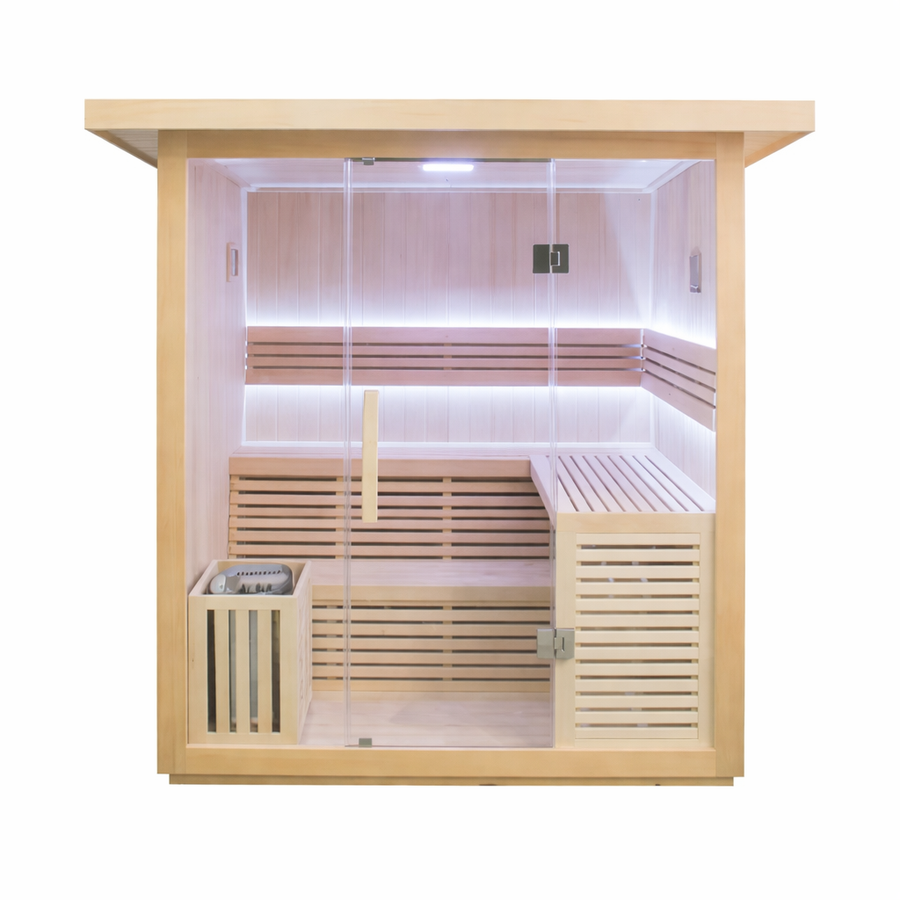
For people creating a home wellness space, having easy access to a home sauna can make it easier to build a consistent routine without relying on gym opening hours or spa bookings.
How Long Should You Stay in a Sauna?
Session length matters just as much as frequency. According to Healthline’s guidance on how long to stay in a sauna, longer sessions can increase the risk of dehydration, so it is important not to overdo it.
A practical guide is:
Beginners: 5–10 minutes
Regular users: 10–20 minutes
Experienced users: up to 20–30 minutes, depending on tolerance
You do not need to stay in the sauna for as long as possible to get value from it. In fact, shorter and more consistent sessions are usually better than occasional sessions that push your body too hard.
If you feel dizzy, faint, nauseous, unusually uncomfortable or overly hot, leave the sauna straight away and cool down slowly.
What Are the Benefits of Regular Sauna Use?
Many people use saunas because they enjoy the feeling of warmth, calm and deep relaxation. Regular sauna use may support several areas of wellness when used sensibly as part of a balanced lifestyle.
Potential sauna benefits include:
Relaxation and stress relief
The quiet, warm environment can help you slow down, switch off and create a proper recovery moment in your day.
Muscle relaxation
Heat can help loosen tight muscles and reduce the feeling of stiffness after exercise or long periods of sitting.
Improved circulation during heat exposure
As your body warms up, your heart rate rises and blood vessels widen, which can create a similar light cardiovascular response to gentle physical activity.
Post-workout recovery support
A sauna after workout sessions may help you relax tired muscles and mentally transition out of training mode.
Better consistency with wellness habits
A regular sauna routine can become part of a wider health setup alongside exercise, sleep, hydration and good nutrition.
Verywell Health’s overview of regular sauna use explains that sauna bathing is often discussed in relation to cardiovascular function, relaxation, mood and general wellbeing. However, it is important to keep claims realistic. A sauna is not a cure-all, and it should not replace medical advice, exercise, sleep or a healthy diet.
How Often Should Beginners Use a Sauna?
If you are new to sauna use, start slowly. Your body needs time to adapt to heat, sweating and the cooling-down process afterwards.
A beginner sauna routine could look like this:
Week 1–2: 1 session per week for 5–10 minutes
Week 3–4: 1–2 sessions per week for 10–15 minutes
After 1 month: Increase gradually if you feel comfortable
The biggest mistake beginners make is trying to copy experienced sauna users too quickly. You do not need long, intense sessions at the start. The better approach is to build tolerance gradually and make the habit enjoyable.
Before each session, drink water and avoid using the sauna if you already feel unwell, dehydrated, faint, overheated or extremely tired.
Is It Safe to Use a Sauna Every Day?
Daily sauna use can be suitable for some experienced users, but it is not necessary for everyone. If you are healthy, hydrated and used to heat exposure, short daily sessions may feel comfortable. However, beginners should avoid jumping straight into daily use.
Daily sauna use may be too much if you notice:
Feeling light-headed after sessions
Headaches after sauna use
Extreme thirst or signs of dehydration
Fatigue that lasts into the next day
Poor sleep after evening sauna sessions
Feeling uncomfortable or overheated during use
If any of these happen, reduce the frequency, shorten the session or lower the temperature if your sauna allows it.
People with heart conditions, blood pressure issues, kidney problems, pregnancy-related concerns, fainting episodes or other medical conditions should speak to a healthcare professional before using a sauna regularly.
Should You Use a Sauna After a Workout?
Using a sauna after workout sessions can be a useful way to support relaxation and recovery. After strength training, cardio or a demanding fitness session, the heat can help you unwind and ease into rest mode.
A sensible post-workout sauna routine is:
Cool down after training first
Drink water before entering
Keep the sauna session short, around 10–15 minutes
Avoid pushing through dizziness or discomfort
Rehydrate afterwards
Allow time to cool down before leaving
Do not go straight from a very intense workout into a long, hot sauna session without cooling down first. Your body is already warm from exercise, so adding heat too quickly can increase the risk of feeling faint or dehydrated.
For people building a complete fitness and wellness setup at home, pairing training equipment with a sauna can create a more rounded recovery routine. You can explore more wellness-focused options through the Gym Fitness Store health and wellness collection.
Does Sauna Type Affect How Often You Should Use It?
Yes, the type of sauna can affect comfort, session length and frequency.
Traditional Sauna
A traditional sauna usually uses higher air temperatures and creates a more intense heat experience. Some people love this classic sauna feeling, especially for deep relaxation and post-training recovery.
Because the heat can feel stronger, beginners may want to keep traditional sauna sessions shorter at first.
Infrared Sauna
An infrared sauna works differently. Instead of mainly heating the air around you, infrared heat warms the body more directly. Infrared saunas often operate at lower temperatures than traditional saunas, which some users find more comfortable for regular use.
This does not automatically mean infrared saunas are better for everyone, but they can be a good choice for people who prefer a gentler heat experience.
Outdoor Sauna
Outdoor saunas are popular for people who want a dedicated garden wellness space. They can feel more immersive and private, especially when used as part of an evening wind-down routine or weekend recovery habit.
Whichever sauna style you choose, frequency should still be based on comfort, hydration and your own response to heat.
How to Build a Safe Weekly Sauna Routine
The best sauna routine is one you can follow consistently without feeling drained or uncomfortable.
Here are three simple weekly routines depending on your goal.
1. Relaxation Routine
Best for stress relief, sleep support and general calm.
Frequency: 1–2 times per week
Session length: 10–20 minutes
Best time: Evening or rest days
This is ideal if you mainly want a sauna for relaxation and quiet time rather than a structured fitness recovery plan.
2. Fitness Recovery Routine
Best for gym users, runners, strength training and active lifestyles.
Frequency: 2–4 times per week
Session length: 10–20 minutes
Best time: After workouts, once you have cooled down
This routine works well when sauna use is part of a wider recovery plan that includes sleep, stretching, hydration and nutrition.
3. Experienced Wellness Routine
Best for confident sauna users who already tolerate heat well.
Frequency: 4–7 times per week
Session length: 10–20 minutes
Best time: Based on personal preference
This can suit people who use a sauna as part of their daily lifestyle, but it should still be approached sensibly. More is not always better, especially if your body starts showing signs of heat stress or dehydration.
Sauna Safety Tips: What to Remember
Sauna use is generally comfortable for many healthy adults, but it needs to be approached with common sense.
Follow these safety tips:
Drink water before and after your session
Avoid alcohol before sauna use
Start with shorter sessions
Leave immediately if you feel dizzy or faint
Cool down gradually afterwards
Do not use a sauna when severely unwell
Avoid very long sessions
Speak to a doctor if you have medical concerns
A sauna should feel challenging in a gentle, calming way, not overwhelming. The goal is to support your wellbeing, not test how much heat you can tolerate.

Common Sauna Frequency Questions
How often should you use a sauna for recovery?
For workout recovery, many people use a sauna 2–4 times per week, usually after training. Start with shorter sessions and increase gradually if your body responds well.
Is using a sauna once a week enough?
Yes. One sauna session per week can still be valuable, especially for relaxation and stress relief. Consistency matters more than trying to use it every day.
Can you use a sauna twice a day?
Some experienced users may do this occasionally, but it is not necessary for most people. Twice-daily sauna use can increase the risk of dehydration or fatigue, especially if sessions are long or temperatures are high.
What is the best time of day to use a sauna?
It depends on your goal. After a workout can work well for recovery, while evening sauna sessions may help some people relax before bed. Avoid using a sauna too close to bedtime if it leaves you feeling too warm or alert.
Should you shower after a sauna?
Yes, many people prefer to shower after cooling down. Let your body temperature settle first, then shower and rehydrate.
Final Thoughts: How Often Should You Use a Sauna?
So, how often should you use a sauna?
For beginners, 1–2 times per week is a sensible starting point. For general wellness or post-workout recovery, 2–4 times per week can work well. Experienced users may enjoy more frequent sessions, including daily use, but only if their body tolerates it comfortably.
The best sauna routine is safe, consistent and realistic. Start slowly, stay hydrated, listen to your body and build up gradually.
If you are looking to create a more convenient wellness routine at home, explore the full Gym Fitness Store range of saunas, including options for relaxation, recovery and home fitness spaces.
More stories

Is It Safe to Use a Sauna When You Have a Cold or Flu?
