

Is It Safe to Use a Sauna When You Have a Cold or Flu?
TLDR
- Using a sauna when you have a cold may help open airways and relieve mild symptoms, but it is not recommended during the flu or severe illness due to immune system stress.
- Heat exposure from saunas can temporarily ease congestion but may dehydrate and exhaust your body if used excessively while sick.
- Always consult with your doctor before using a sauna when ill, and avoid sauna use if you have a fever, severe flu symptoms, or underlying health conditions.
Can You Use a Sauna When You Have a Cold or Flu?
Using a sauna can be one of the most relaxing parts of a home wellness routine. The heat, quiet and deep warmth can help you unwind, ease everyday muscle tension and feel refreshed after training. But when you wake up with a blocked nose, sore throat, cough or flu-like symptoms, the decision becomes less simple.
So, can you use a sauna when you have a cold or flu?
The honest answer is: sometimes, but not always.
A short, gentle sauna session may help some people feel temporary relief from mild cold symptoms, especially nasal congestion, body tension or general discomfort. However, a sauna will not “sweat out” a cold, cure a virus or make you recover faster. Sweating can feel productive, but it does not remove the infection from your body. Your immune system still has to do that over time.
The bigger concern is flu, fever or more serious illness. If your body is already under stress, adding high heat can increase dehydration risk, worsen dizziness and make you feel weaker. That is why sauna use should be approached carefully when you are unwell.
This guide explains when sauna use may be suitable, when it is best avoided and how to use heat safely as part of a sensible home wellness routine.
Cold vs Flu: Why the Difference Matters
Before deciding whether to use a sauna, it helps to understand whether you are dealing with a mild cold or something more intense.
A common cold usually develops gradually and may cause symptoms such as:
- Runny or blocked nose
- Sneezing
- Mild sore throat
- Light cough
- Slight headache
- Mild tiredness
Flu symptoms are usually stronger and can come on more suddenly. These may include:
- Fever or high temperature
- Chills
- Aching body
- Severe tiredness
- Dry cough
- Headache
- Weakness
- Loss of appetite
This difference matters because sauna heat raises your body temperature and encourages sweating. If you already have a fever, your body is working hard to regulate heat. Sitting in a hot sauna can make that harder and may leave you feeling faint, dehydrated or more unwell.
As a general rule, a mild cold may allow for cautious sauna use, but flu, fever, chest symptoms or strong fatigue mean you should skip the sauna and rest instead.
Can You Sweat Out a Cold?
No, you cannot properly sweat out a cold.
This is one of the most common myths around sauna use. Sweating can make it feel like your body is clearing something out, but sweat does not remove the cold virus from your system. It mainly helps regulate body temperature.
A sauna may make you feel better for a short period because warmth can relax the body and help ease feelings of congestion. But it will not shorten the illness, kill the virus or replace proper recovery.
What this really means is simple: a sauna can be used for comfort in the right situation, but it should not be treated as a cold remedy.
Can a Sauna Help with Cold Symptoms?
For some people, yes, a sauna may help them feel more comfortable for a short time.
The warmth may help loosen tension, encourage relaxation and create a calming environment when you feel run down. Some people also find that warm air helps them feel less congested temporarily, especially when they are well hydrated and only have mild symptoms.
However, the benefits are usually short-lived. A sauna for cold symptoms should not replace sleep, fluids, food, suitable medication or medical advice if symptoms worsen.
It is also important to avoid public saunas when you are contagious. If you are coughing, sneezing or actively unwell, using a shared sauna risks spreading illness to other people.
A home sauna gives you more control over timing, cleanliness and privacy, but you still need to listen to your body. If you feel weak, feverish or breathless, heat exposure is not worth the risk.
When You Should Avoid the Sauna Completely
There are times when using a sauna while sick is simply not sensible.
Avoid the sauna if you have:
- A fever or high temperature
- Flu symptoms
- Chills
- Chest tightness
- Shortness of breath
- A heavy cough
- Dizziness or weakness
- Vomiting or diarrhoea
- Signs of dehydration
- A heart condition or serious medical condition
- Been advised by a doctor to avoid heat exposure
You should also avoid sauna use if your symptoms are getting worse throughout the day. Illness can change quickly, and what feels like a mild cold in the morning can become something more intense later.
Here’s the thing: sauna heat is a stressor. When you are healthy, that stress may feel refreshing and relaxing. When you are properly ill, it can be too much for your body to handle.
Sauna with Flu: Why It Is Usually a Bad Idea
Using a sauna with flu is usually not recommended.
Flu can already cause fever, sweating, chills, dehydration and heavy fatigue. A traditional sauna can reach high temperatures, which may make those symptoms worse. Even if the heat feels comforting at first, it can quickly become overwhelming when your body is fighting a stronger infection.
Trying to “push through” flu symptoms in a sauna is not a smart recovery strategy. You are better off resting, drinking fluids and allowing your body to recover properly.
If symptoms are severe, long-lasting or unusual, seek medical advice rather than relying on heat therapy.
How to Use a Sauna Safely with a Mild Cold
If you only have mild cold symptoms and no fever, chest tightness, dizziness or breathing difficulty, you may choose to use a sauna carefully.
Keep the session short. Around 5 to 10 minutes is usually enough when you are under the weather. Avoid pushing yourself to your normal session length.
Use a lower temperature if possible. A gentler session is better than intense heat when your body is already working harder than usual.
Drink water before and after. Illness and sweating can both increase fluid loss, so hydration matters.
Leave immediately if you feel light-headed, weak, breathless, shaky or uncomfortable.
Avoid cold plunges or extreme temperature changes while ill. Your body does not need extra stress when it is already fighting symptoms.
Do not use a shared sauna while contagious. It is better to rest at home and avoid spreading illness to others.
Most importantly, do not treat the sauna as a cure. Rest is still the priority.
If you are building a regular home wellness routine, you can browse the full range of saunas at Gym Fitness Store, including models designed for home relaxation, recovery and everyday use.
Traditional Sauna vs Infrared Sauna When Sick
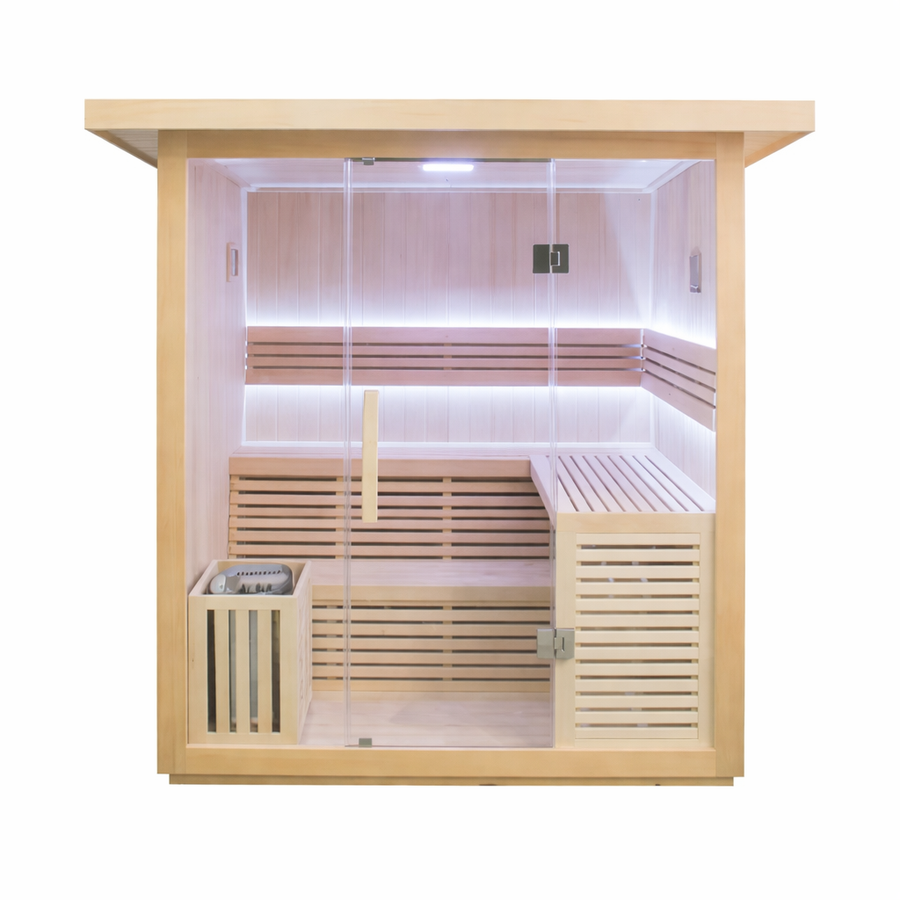
A traditional sauna usually creates a hotter air temperature and a more intense heat experience. This can feel deeply relaxing when you are well, but it may be too much if you are run down, dehydrated or feverish.
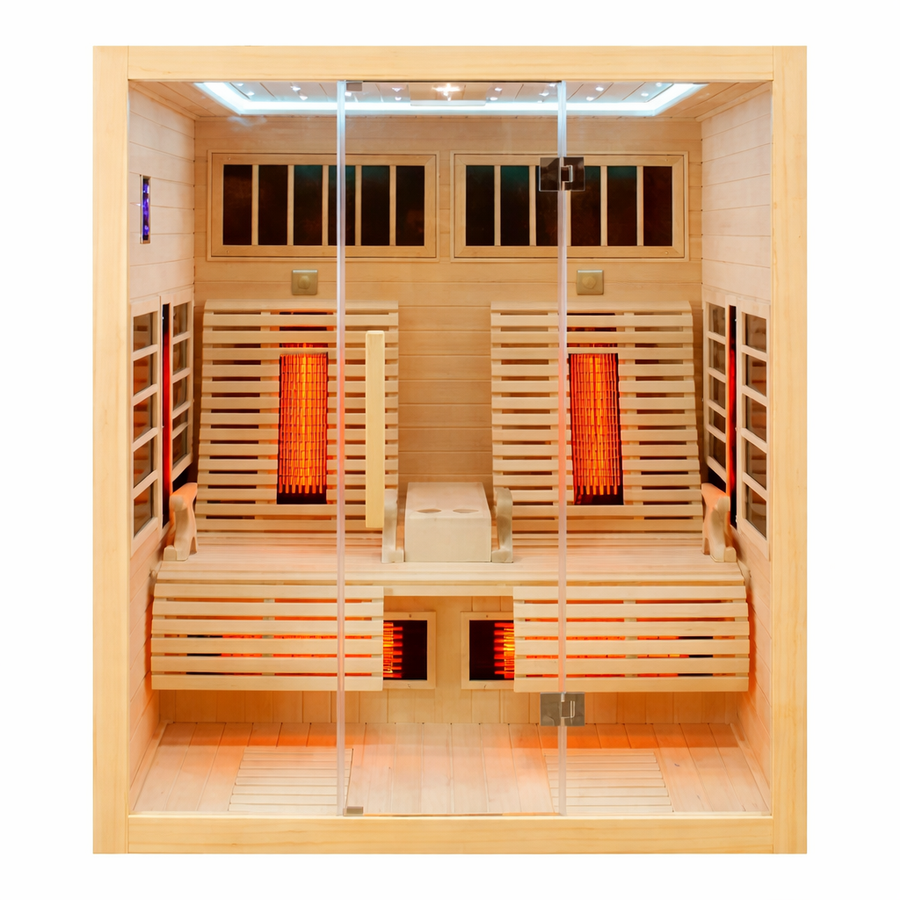
An infrared sauna often feels gentler because it warms the body more directly rather than relying only on very hot air. Some people prefer this style for shorter wellness sessions because the surrounding air temperature can feel less intense.
However, the same basic safety rules apply to both types. If you have flu, fever, chest symptoms, dizziness or dehydration, you should avoid both traditional and infrared sauna use until you feel better.
If you prefer a classic high-heat experience, explore the range of traditional saunas at Gym Fitness Store. Traditional sauna use is best when you are well, hydrated and comfortable with higher heat.
Better Alternatives When You Are Too Sick for a Sauna
If you are not well enough for a sauna, there are safer ways to feel more comfortable at home.
A warm shower can help ease congestion without exposing your body to prolonged high heat. A humidifier may help if the air in your home feels dry. Drinking fluids, resting properly and eating simple, nourishing food can all support recovery.
You can also use suitable over-the-counter cold or flu remedies if appropriate for you, always following the instructions on the packaging.
The key is to reduce stress on your body. When you are genuinely unwell, gentle comfort is better than trying to force a strong heat session.
Can Regular Sauna Use Support Wellness?
Regular sauna use may be part of a healthy lifestyle for many people, especially when combined with exercise, sleep, hydration and good nutrition. Many people use saunas for relaxation, post-workout recovery, stress relief and general wellbeing.
However, regular sauna use when you are well is different from using a sauna as a treatment when you are actively ill.
A sauna may support your wellness routine over time, but it is not a shortcut for recovering from a cold or flu. When you are sick, your body needs rest, fluids and sensible care first.
Final Answer: Should You Use a Sauna When Sick?
If you have a mild cold, no fever and no chest symptoms, a short and gentle sauna session may help you feel temporarily more comfortable. Keep it brief, stay hydrated and stop immediately if you feel worse.
If you have flu, fever, chills, chest congestion, breathing difficulty, dizziness or severe fatigue, skip the sauna. Your body needs rest and recovery, not extra heat stress.
A sauna can be a brilliant part of your home wellness routine, but it should be used at the right time. For regular relaxation, recovery and long-term comfort, explore the full Gym Fitness Store sauna collection and compare models that suit your space, routine and preferred heat style.
FAQs
Can I use a sauna if I just have a mild cold?
You may be able to use a sauna with a mild cold if you have no fever, chest symptoms, dizziness or dehydration. Keep the session short, use a gentler temperature and drink water before and after.
Is it dangerous to use a sauna if I have a fever?
Yes, using a sauna with a fever is not recommended. Your body is already trying to regulate a higher temperature, and sauna heat may increase dehydration risk or make you feel worse.
Can a sauna cure a cold?
No, a sauna cannot cure a cold. It may provide temporary comfort for some symptoms, but it will not remove the virus from your body or shorten the illness.
Is a sauna good for flu symptoms?
A sauna is usually not suitable when you have flu symptoms. Fever, chills, aching, weakness and dehydration risk can all be made worse by high heat.
Are infrared saunas safer than traditional saunas when sick?
Infrared saunas may feel gentler than traditional saunas for some people, but they are not automatically safe when you are ill. Avoid all sauna use if you have fever, flu symptoms, chest tightness, dizziness or dehydration.
How long should I stay in a sauna with a cold?
If your symptoms are mild and you choose to use a sauna, keep it short. Around 5 to 10 minutes is more sensible than a full session when you are under the weather.
Should I use a public sauna when I have a cold?
No, it is best to avoid public saunas when you are contagious. If you are coughing, sneezing or actively unwell, stay home to avoid spreading illness to others.
When should I see a doctor instead of using a sauna?
Seek medical advice if you have difficulty breathing, chest pain, a very high temperature, symptoms that worsen, symptoms lasting longer than expected or an underlying medical condition that makes illness more concerning.
More stories

Are Hot Tubs Expensive to Maintain? A Beginner's Guide to Understanding Costs
Buying a hot tub is exciting, but it’s important to understand the ongoing costs before you commit. In this UK running cost guide, we break down the main hot tub maintenance expenses, including electricity, chemicals, filters, water changes and servicing. Learn what affects monthly costs, how hot tub size and insulation make a difference, and how simple maintenance habits can help keep running costs under control.

How Often Should You Use a Sauna Each Week? A Balanced Guide
How often should you use a sauna? This guide explains recommended sauna frequency for beginners and regular users, along with session length, hydration and practical tips for building a safe routine around your fitness and wellness goals.
